 Қазақша
 Русский
  English
  简体中文
简体中文 

 Свяжитесь с нами


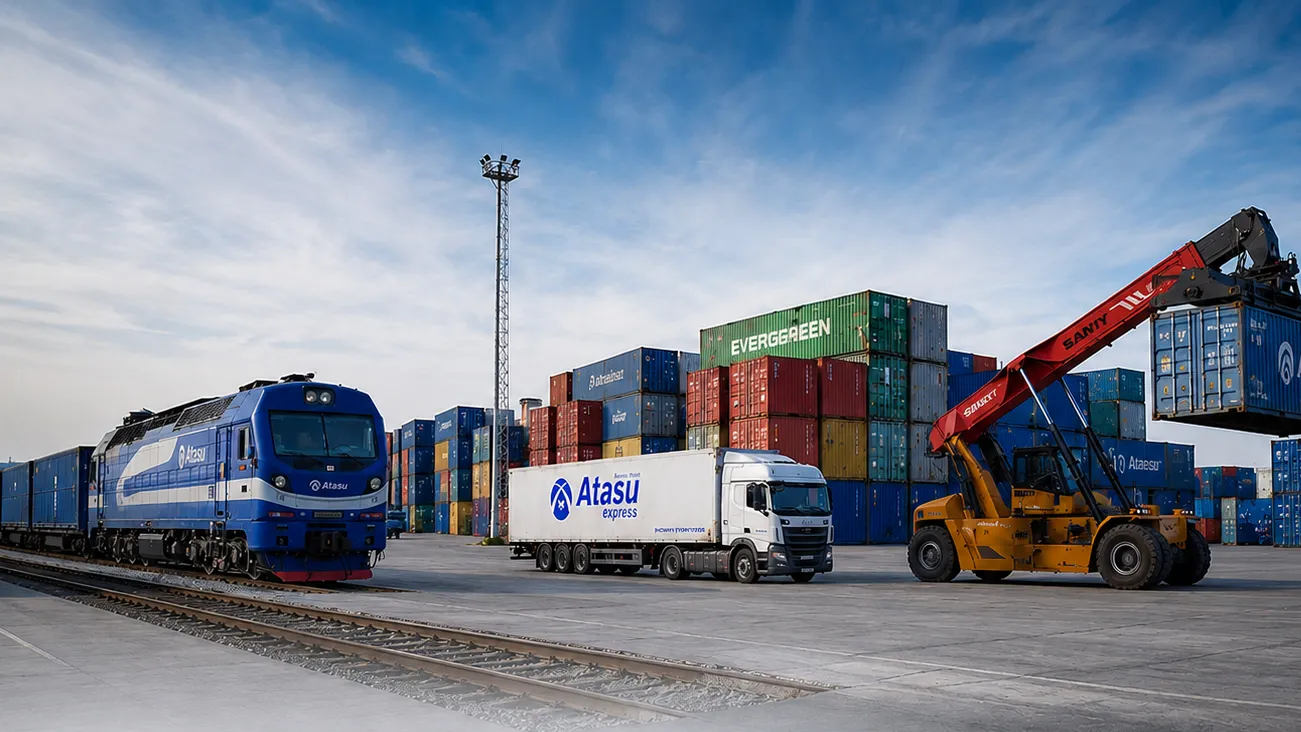
Dividing stages of the supply chain among several independent contractors is still a common model in logistics. One company provides wagons, another handles terminal operations, a third is responsible for customs clearance, and last-mile delivery is assigned to a fourth. Although this system works, it has one major weakness: several parties share responsibility for the cargo, but none is accountable for the entire supply chain.
Atasu Group has adopted a different approach. All logistics operations—from the initial request to final delivery to the end user—are covered by a single contract. This principle is known as the single-window approach.
Why It Matters
Each contract must be reviewed by the counterparty, followed by negotiations on warranties and liabilities, legal involvement and ongoing correspondence. This workload often requires a dedicated department when shipments are regular. These costs are not reflected in the tariff, yet the client ultimately pays for them.
However, the main losses occur between the stages. When several parties are involved, liability becomes unclear in the event of cargo damage or delays. As a result, the cargo owner effectively pays twice: first for building the logistics chain, and then for dealing with disruptions.
A Real-Life Example of a Full Cycle
Let us take a closer look at a typical case: delivering equipment to an oil processing plant in Atyrau.
First, Atasu Group engineers travel to China to the consignor’s site to inspect the equipment, assess the packaging and take measurements. Based on this, they develop a transportation plan, including transport modes, loading operations and possible routes. At the same time, our team prepares the documentation required for border crossing, i.e. state permits and certificates. In some cases, paperwork takes almost as long as the transportation itself.
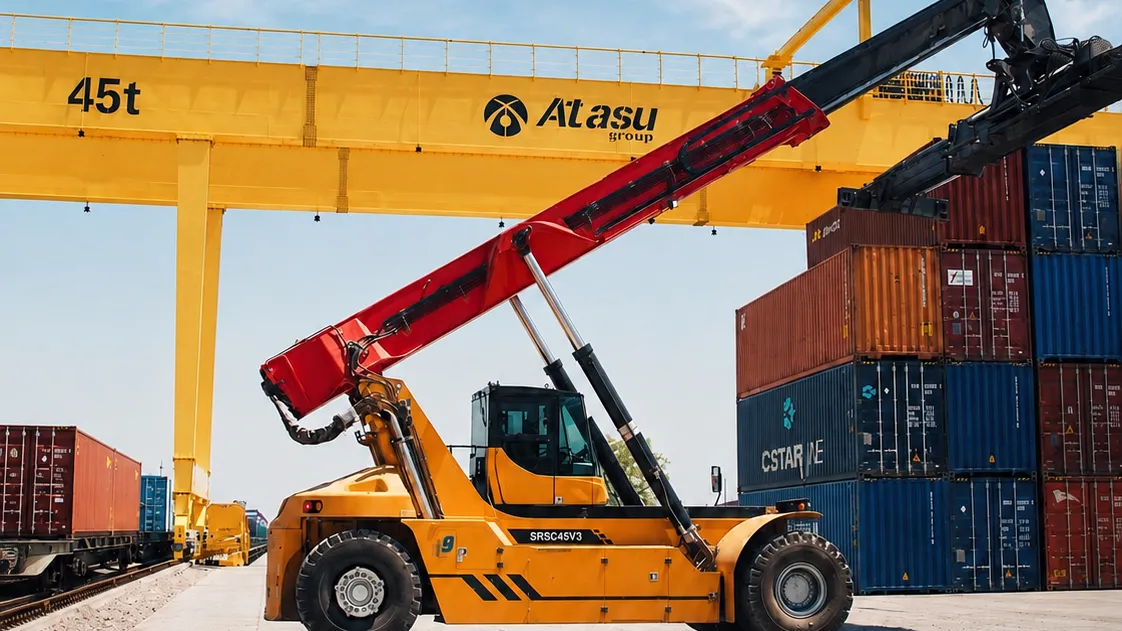
Next, the cargo reaches the Kazakhstan border and enters the company’s terminal. Transshipment and customs clearance are handled by Atasu Group brokers. At this stage, the client can track the cargo status, including its arrival and allocation to a railway platform.
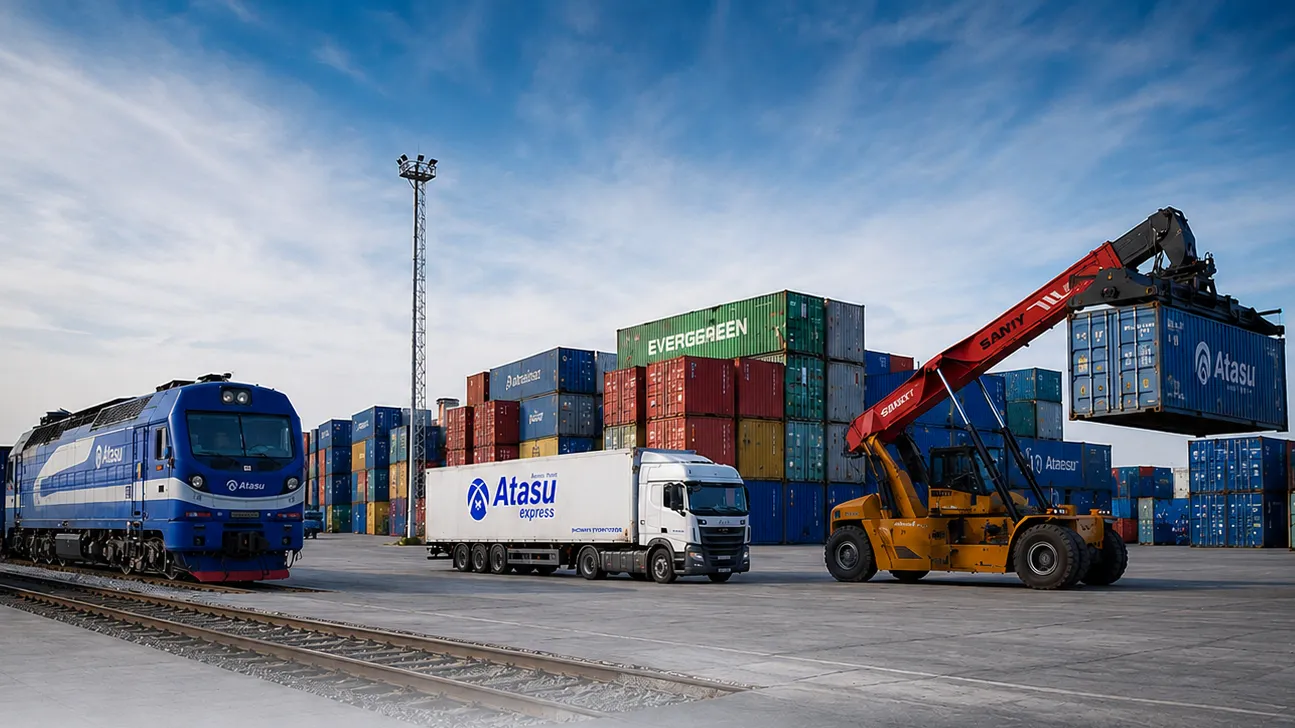
The next step is transportation in dedicated wagons to the destination station in Atyrau, followed by transshipment to the company’s own road vehicles and final delivery to the client’s site. The entire logistics chain is executed under a single contract, with one responsible contractor.
The Devil Is in the Details
Our key terminals are equipped with our own shunting locomotives. While this may seem like a minor detail, it allows us to schedule wagon processing independently, without relying on mainline railway resources.
The same applies to cargo insurance and the company’s responsibility along the entire route. A digital monitoring system enables clients to track the cargo in real time, including its current location and the rail hubs it has passed.
When Plans Change
Logistics does not always follow the original plan, which is why deviation management is a critical part of our work. Atasu Group focuses on mitigating risks before they become real problems, such as border demurrage or missed deadlines. When a standard transportation scheme is not suitable for a specific cargo, we develop a tailored solution.
No Time to Cut Corners
The full-cycle model typically involves higher rates. The price includes insurance, warranties, reliable transport and full responsibility for deadlines and cargo safety, which, in a fragmented model, the client must arrange and manage independently.
This approach is particularly important for high-value and complex cargo. A single container may carry equipment worth millions of dollars, making any savings on tariffs insignificant if the overall logistics structure fails.
In this context, a single contract is not a formality or a marketing tool, but a way to avoid possible disruptions in the supply chain and ensure clear accountability.
This is exactly how Atasu Group operates.