
 Қазақша
 Русский
  English
  简体中文
简体中文 

 Бізбен байланыс


Arman Berdibayuly, Chief Accounting Officer at one of the Atasu Group’s companies.
Today, at Atasu Group, an accountant’s working day can start with Kazakhstan’s tax regulations and end with customs clearance for rail wagon spare parts. In between, an accountant has to deal with invoices, timesheets, international shipments, reports for senior managers and keeping up with the legislation of several countries at once.
Arman Berdibayuly has been working for Atasu Group since 2014. However, his early days at the company looked very different.
Back then, his mornings were spent sorting through emails and entering large amounts of data. Up to ten managers would send him several Excel spreadsheets each with information needed to prepare invoices, bringing the total to 40 and sometimes even 60 requests a day. For every request, Arman had to first manually enter the received data into 1C:Accounting software, prepare a bill, service acceptance certificate, commercial invoice and then send everything back to the manager. Repeat fifty-nine more times. To say the least, it was time-consuming: managers were losing their patience, clients were making calls nonstop. Arman had to work after hours to complete the day’s tasks.
This was what accounting looked like at the company twelve years ago. During this period, not only work processes, responsibilities and scale changed but also the company has changed itself. Arman witnessed its significant growth.
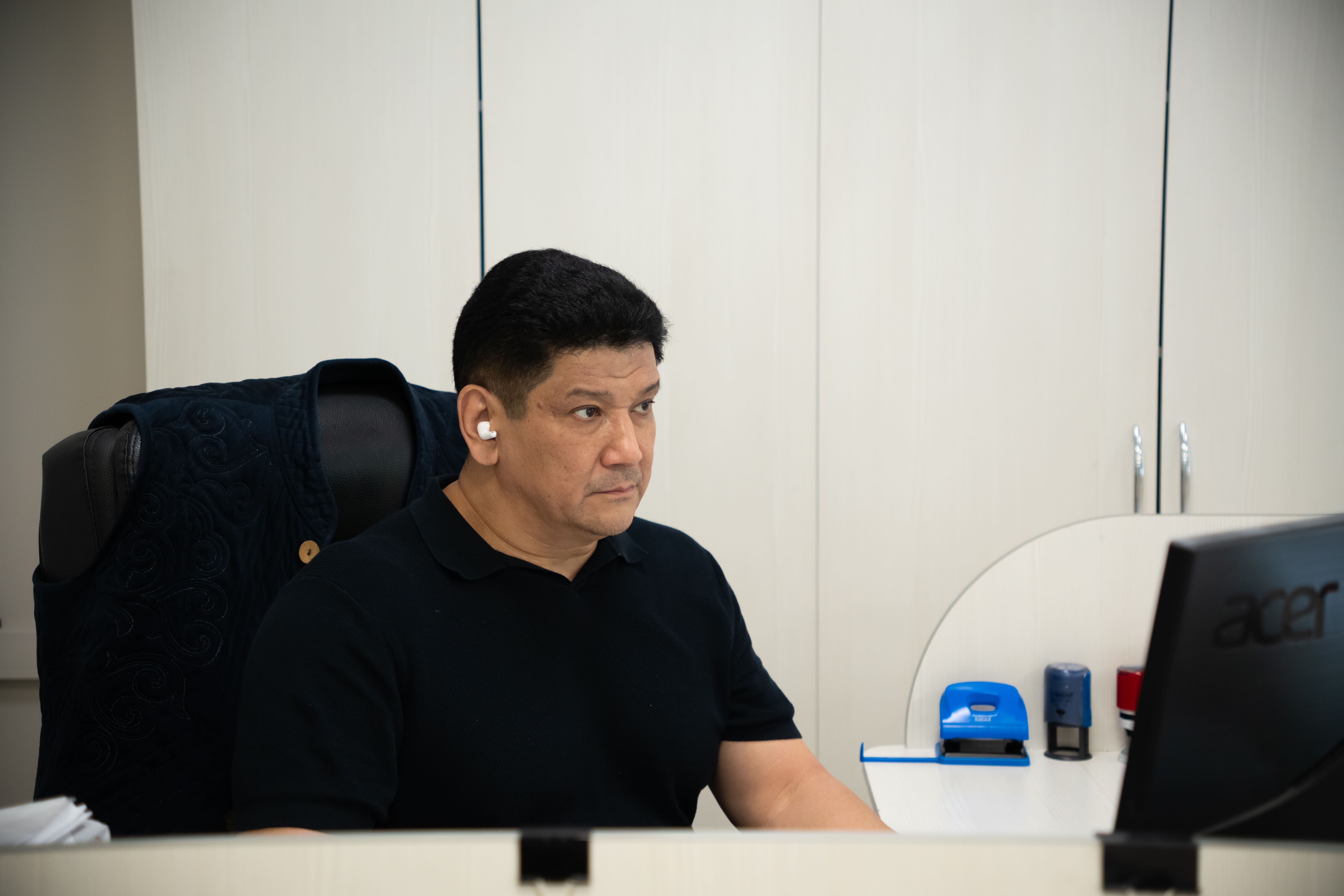
Today, Atasu Group has more than 2,000 employees working across international markets. Headquartered in Almaty, the company has opened branches beyond Kazakhstan’s borders: in Chinese cities of Urumqi and Qingdao, as well as in Tashkent, Seoul, Dubai, Moscow. Together, they form a system of routes connecting China, Asia, the CIS countries, the UAE, Turkey and Europe — and it was this international scope that attracted Arman to the company.
As the company grew, its work processes changed. The number of operations, contracts and payments has increased bringing new requirements and responsibilities. At some point, the old approach to accounting no longer met the company’s needs.
“We realized we couldn’t work like this anymore.”
Automation became the solution. Together with programmers and other accountants, Arman worked on the 1C software upgrade. The team analyzed the existing processes, improved the system and trained managers to use it. The new system allowed data to be entered directly into 1C, reducing the number of emails piling up in accountants’ inboxes.
Mornings were no longer dominated by dozens of invoices. As the amount of tedious paperwork decreased, accountants had more time to double-check, monitor and analyze.
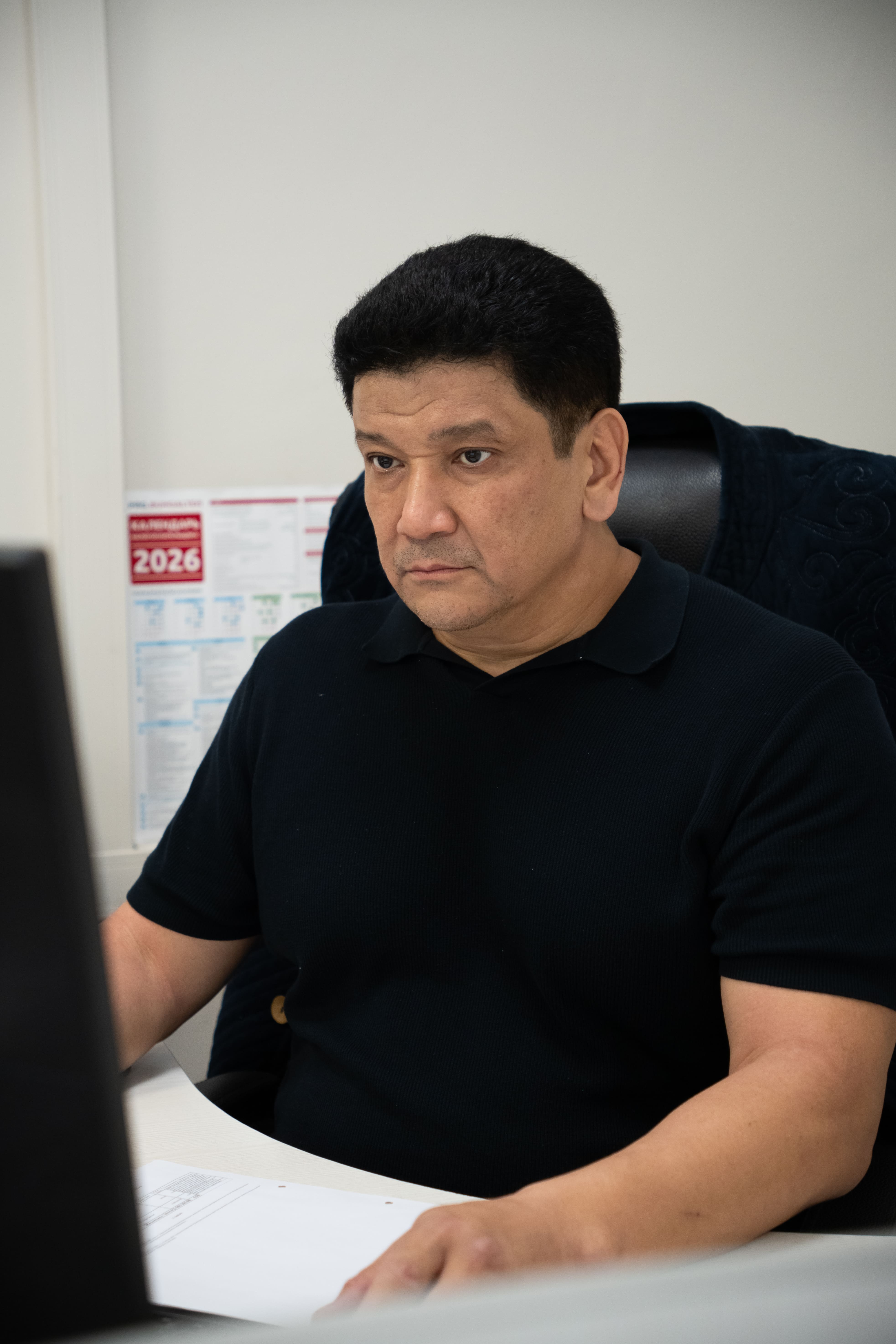
“Everything is interconnected. You have to make calculations and analyze them all the time.”
Although the work has changed, it hasn’t become any easier. Calculations, taxes, international shipments, purchases, changes in the legislation of several countries remain part of the job and require the accountant to work with focus and precision.
Atasu gave Arman more than he could have expected when he joined in 2014. He not only gained impressive experience but also saw major growth of the company: it expanded into new markets, launched new divisions, faced new challenges and offered more opportunities.
Arman’s story is the story of a person who has grown alongside the company: he saw how it evolved into the company it is today, adapted to new tasks and took part in improving work processes. This is how our employees grow with Atasu Group and contribute to its history.
“I want our company to become recognized far beyond Kazakhstan’s borders. And this can happen only if its people value their work.”


